 OLIVER LYNCH
Social Confidence Academy
OLIVER LYNCH
Social Confidence Academy
Feel calm and confident around anyone.
7 simple, science-backed methods that calm your nervous system, starting today, from home.
Only a handful of free 1:1 sessions open up each week. Grab yours while it’s available.
7 science-backed methods to feel calm and confident
Doing well socially isn’t about forcing confidence. It’s whether your body feels safe and calm around people. These work even if you’ve struggled for years, and they work together: the more you do, the better you feel.
Movement gives anxious energy somewhere to go, so it doesn’t just sit in your body and make you feel tense around people.
Sleep gives your body a chance to reset. When you don’t sleep enough, your brain’s danger alarm gets louder.
What you eat and drink affects how steady your body feels. When your body feels unstable, anxiety gets louder.
Morning sunlight helps your body wake up, settle into a rhythm, and sleep better at night.
Slow breathing, especially longer exhales, helps your body calm down in the moment.
Mindfulness helps you notice anxious thoughts without getting swallowed by them.
The one most people skip, and ~80% of the results
Somatic work helps your body release the stress and emotion it’s been holding, so being around people can start to feel safer. It’s what finally worked for me after years stuck, and after 6 years coaching it’s where I see the biggest shifts.
The Missing Piece Most People Skip
You can sleep well, eat clean, exercise, meditate, and understand your anxiety perfectly… and still feel tense, frozen, awkward, or scared around people.
Why?
Because your mind might know, “I’m safe.” But your body may still feel like people are dangerous.
Somatic work is a body-based approach that helps you work with anxiety through the body, not just the mind. Because social anxiety is not just thoughts in your head.
It can show up as a tight chest, a lump in your throat, a knot in your stomach, shallow breathing, a shaky voice, shame, panic, self-doubt, or the feeling that something is wrong with you.
Somatic work helps your body gently release the stress and emotion it’s been carrying, so you don’t have to keep bringing the same fear into every conversation.
This is not just taking a deep breath. It’s not just stretching. And it’s not just telling yourself to relax. It’s a guided process of helping your body feel safe enough to let go.
I don’t recommend forcing this on your own. Most people avoid the feeling, overthink it, or push too hard and overwhelm themselves. It works best when someone trained guides you through it slowly and safely. That’s why your first 1:1 session with me is free, so you can feel the relief and get proof it works before you ever commit to anything.
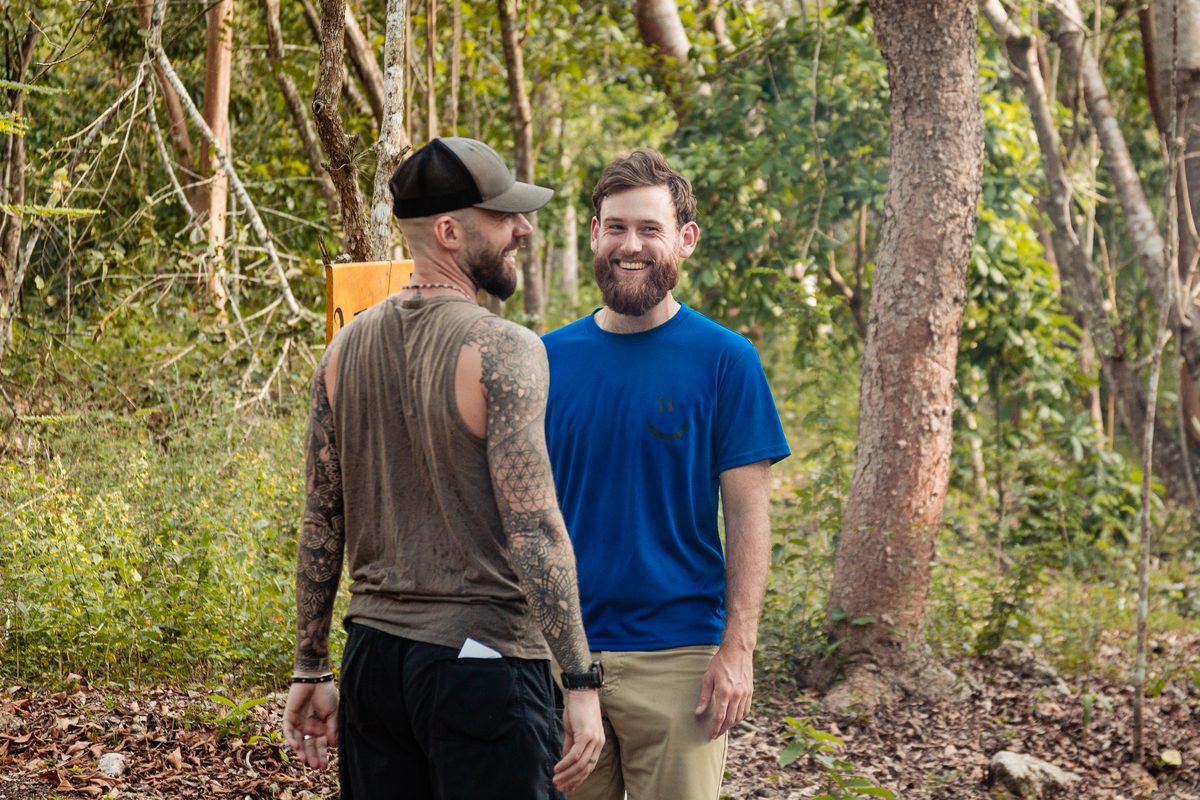 A free 1:1 session with OliverA gentle, guided first step
Try a Free 1:1 Somatic Session
I don’t want you to just hear me explain somatic work and think “that sounds cool.” I want you to feel the relief and get proof it works before you commit to anything.
In your free session, I’ll gently guide you through a simple somatic process, step by step, so you can start to feel what it’s like when your body begins to calm down, and find out whether this is the right kind of support for you.
It’s simply a chance to feel the difference for yourself.
Limited free session spots are available each week.
Real client testimonials
"I can maintain eye contact and I can even socialise now. I've been able to speak to strangers and even speak up in a crowd. I have also made some friends."
"I managed to keep an authentic conversation going for 2 to 3 hours straight with a coworker. I'm consciously tripping out at how natural it felt."
"The way Oliver engaged me and the team was on another level. He creates a trusted space to be your authentic self. He doesn't teach at you, he takes you on a journey of self-discovery as your co-pilot."
The research behind it
Educational only. These studies support the general methods discussed and are not claims about individual results. This is coaching, not therapy or medical treatment.
What happens after the free session?
If the session helps and you want deeper support, we can talk about what 1:1 coaching would look like.
If 1:1 coaching is not the right fit, I also have a lower-cost community option where you can keep learning with group support.
My goal is just to help you find the next step that actually fits for you.
Want ongoing support?
Social Confidence Academy includes live group coaching, a step-by-step course, and a supportive community for people building real social confidence, learning to feel at ease and be themselves around others. It’s $20/month with a 7-day free trial, plus a 30-day money-back guarantee after that, so there’s zero risk to try it.
Learn About Social Confidence AcademyQuestions you might have
Is this therapy?
What is somatic work?
Do I need to know anything before the free session?
What if I’m nervous to book?
Ready to Feel the Difference For Yourself?
If you have tried to think your way out of social anxiety and still feel stuck, this may be the missing piece.